Season 02, episode 5. November 9, 2025
Originally recorded April 4, 2025
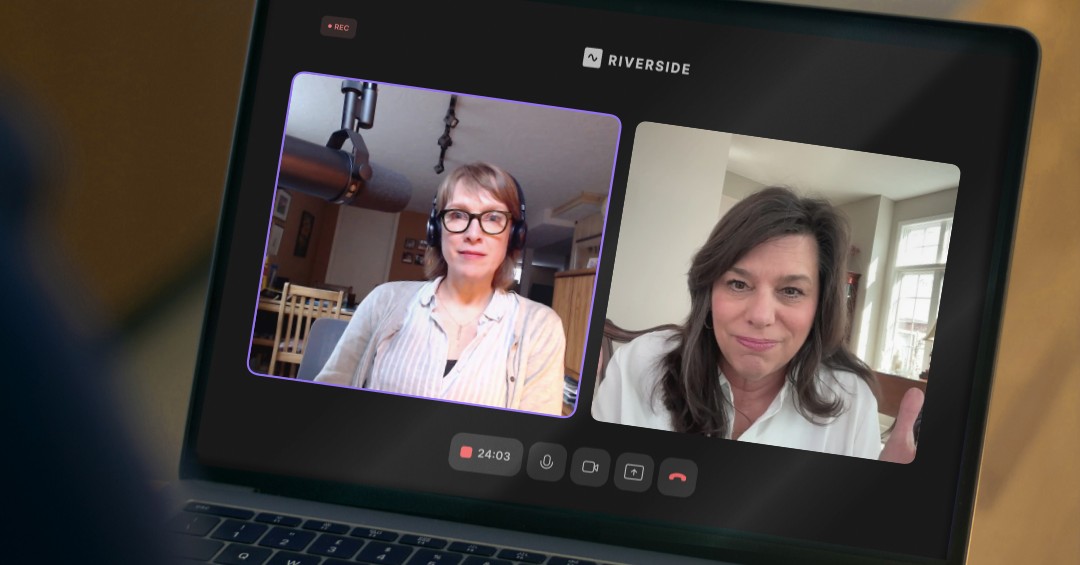
SPEAKERS Dayna Del Val and Jody Slaughter
SUMMARY
In this conversation, Dayna Del Val and Jody Slaughter explore the profound themes of death, grief and the importance of being present in the face of loss. Jody, a compassionate pastoral counselor and death doula, shares her insights on the sacredness of the dying process, the role of a death doula and the necessity of having open conversations about death. They discuss the fear surrounding death, the significance of honoring both joy and sorrow and the creative ways to navigate grief. The dialogue emphasizes the importance of being present for oneself and others during these challenging times and the transformative power of storytelling and compassion.
KEYWORDS
death, grief, loss, death doula, middle ground, transition, conversations about death, preparing for death, compassion, healing
TAKEAWAYS
- Death is a universal experience that connects us all.
- The middle ground is where we confront our fears and pain.
- Being present to oneself is crucial in the healing process.
- A death doula provides support and guidance during the dying process.
- Conversations about death can be initiated with curiosity and love.
- Grief is a complex emotion that requires space and honor.
- Creative expression can help in processing grief and loss.
- Fear often prevents us from preparing for death and loss.
- Understanding the wishes of loved ones can ease the dying process.
- Awakening to our stories is essential for healing.
TRANSCRIPT (edited and condensed with Otter and ChatGPT)
Dayna Del Val (0:01):
Jody, welcome to Brave Middle Ground.
Jody Slaughter (0:03):
Thank you, Dayna—it’s great to be here.
Dayna Del Val (0:06):
I’m really glad we’re talking about this today, even though “excited” feels like a strange word for this topic. But I believe death and the lead-up to it are subjects we avoid—and avoiding it is a problem, since none of us will escape it.
Jody Slaughter (0:30):
Right—exactly. I get what you’re saying. It’s hard to call this exciting… but exploring these hard places is precisely what gives life its depth, even if it doesn’t feel good at first.
Jody Slaughter (0:52):
It frees us. That’s exactly right.
Dayna Del Val (0:56):
Yes—that is exciting, in its own way. Let’s dive in. My first question for every guest is: What does “middle ground” mean to you, especially in the context of life and death?
Jody Slaughter (1:08):
I have a grandfather clock—pardon the tension.
…[they pause for the clock; both laugh]
Jody Slaughter (1:25):
I think middle ground is that space we hold—either with ourselves or with another person—when we’re standing at the edge of something painful or vulnerable. It’s the “I’ve never told anyone this before…” moment. It’s hard, intimate, private—and when we go there, it becomes transformative.
Jody Slaughter (3:00):
And for me, there are two kinds of middle ground: between me and other people—and between me and myself. Within myself, it’s choosing presence over abandonment—lovingly holding my pain without judgment.
Dayna Del Val (4:02):
So that space within ourselves is what you call middle ground?
Jody Slaughter (4:07):
Yes—that loving presence in our own vulnerability is the deepest middle ground I know.
(On transcript: “On one hand…”)
Jody Slaughter (5:26):
As a death doula, I guide people moving toward the end of life. It’s an honor—not because I do anything special, but because I become a vessel. You never know what will happen when you open yourself to the Divine.
Jody Slaughter (8:01):
I recall the words from church: “A sweet Holy Spirit… stay here with us…” That feeling—presence, mystery, sacredness—is exactly what happens when death arrives. One resident passed peacefully hours later; the nurse told me I gave her exactly what she needed.
Dayna Del Val (9:24):
I was with my grandma and stepdad as they died—it remains the most holy moment of my life: quiet, reverent, peaceful. You sense a shift—like energy moving, not disappearing.
It felt like a light didn’t go out—it actually turned on.
Jody Slaughter (10:39):
Exactly—both/and.
Dayna Del Val (12:08):
Regardless of belief, death brings that cosmic shift.
Jody Slaughter (12:12):
It resides in pain… but also in quiet reverence.
Dayna Del Val (12:25):
Holding that space without bypassing the pain is so hard—but it’s important.
Jody Slaughter (12:39):
Universally, death unites us—if we choose to connect.
We thought we were here to help others, but after reflecting on our own fears, we changed.
Jody Slaughter (14:29):
We wrote down fears about death—and days later, revisited them. My fear: being overly medicated and missing the moment. A nurse asked, “How are you over-medicated today?” I realized I can’t numb my pain by default—and through art, support, and presence, I learned to sit with feelings instead of escaping them.
Jody Slaughter (17:02):
That became powerful for me—choosing to face pain with love, even when grief resurfaces.
Dayna Del Val (17:13):
We teach what we need. You’re embodying the inner work you expect of others.
Jody Slaughter (18:01):
Because how can I be present for others if I’m not present with myself?
It’s painful, but it’s also invigorating—like peeling layer after layer of an onion.
Dayna Del Val (18:42):
Yes—like 12,000 layers, not just five or six!
Jody Slaughter (18:39):
Exactly.
Dayna Del Val (18:55):
Let’s get tactical: what’s the difference between a death doula and hospice?
Jody Slaughter (18:55–19:41):
Hospice can include medical care, meds, and comfort—but a death doula doesn’t prescribe medication. Like a birth doula, I advocate, guide, teach: what signs to expect, when breath patterns change—helping families feel informed and supported.
Dayna Del Val (21:03):
When my grandma died, I felt relief reading that thirst often fades naturally—that she wasn’t suffering. Knowledge brings such comfort.
Jody Slaughter (22:07):
Yes—but we often learn too late because we don’t talk about this until the last moment.
Dayna Del Val:
How do we start having these conversations—without it feeling like “we’re on borrowed time”?
Jody Slaughter (32:30):
Lead with a song or small reflection. Example: “Dad—I heard Mark Scibilia’s song about thinking of dying…thought you might want to listen.” Bring it in gently, share your feelings—and let the conversation emerge.
Jody Slaughter (35:03):
Creative expression helps us open up—no need for words. I’ve kept 30 years of “scribble art.” You never know what your unconscious will reveal.
I tried that—watercolors led to a piece called The Sadness I Carry.
Jody Slaughter (36:14):
That’s exactly it. Something simple can unlock hidden feelings—and gently honor what’s inside.
Dayna Del Val (37:15):
What surprises me is how tender that can feel—no couches, no deep memory dives—just drawing or painting.
Your brain says one thing but your hand can say another…
Jody Slaughter (37:46):
Yes. Exactly.
Dayna Del Val (38:06):
What drew you to this work, Jody?
Jody Slaughter (38:06):
Initially, I didn’t know what I wanted. My advisor suggested social work. I was yearning for my own story to be heard—and loved holding space for others’ stories too. That led me into counseling and eventually death-doula work.
Dayna Del Val (39:54):
How has leaning in—rather than avoiding—death and grief changed you?
Jody Slaughter (39:54):
It’s been both blessing and challenge. My world got smaller—but I’m surrounded by people who can hold sorrow. My awareness grew: I can’t turn away from injustice or grief. I lost clients who didn’t want to go there—but this work demands being present—even when it’s uncomfortable.
Dayna Del Val (41:59):
It reminds me of The Giver—someone has to carry the collective grief and memories.
Dayna Del Val (42:57):
That heaviness—you feel it, too. How do you carry it?
Jody Slaughter (43:17):
With support systems: music, nature, silence, breath, writing, ritual—many tools help soften the weight. They don’t “fix” grief, but help us bear it.
Jody Slaughter (44:44):
Grief doesn’t go away—it transforms. There’s no closure. But we can learn to carry it.
You led with compassion—for yourself, even.
Dayna Del Val (47:09):
What do you wish people knew before entering this period of loss?
Jody Slaughter (47:19):
Toni Morrison captured it: tell your stories. In Beloved, Baby Suggs says, “Cry…cry for the living and cry for the dead.” Let it out together: laugh, dance, cry. Awaken to your story—that is what matters.
Dayna Del Val (50:20):
What a benediction. That’s breathtaking—thank you.
You have that calm, subtle energy—clearly called to this work.
Jody Slaughter (51:44):
And you’re awakening stories, too—together.
Dayna Del Val (52:08):
Thank you, Jody, for your compassion, wisdom, and presence. I know many will be profoundly moved by this—thank you so much. To everyone else: we’ll talk soon.